When influencer Myron Gaines visited Ohio University, his appearance was framed as an example of free speech in action: a controversial speaker engaging students in open dialogue. But what unfolded was not a debate. It was a calculated performance of misinformation and hate, one that highlights a deeper issue: universities are increasingly forced to platform not just offensive ideas, but intentionally false and harmful ones masquerading as legitimate discourse.
When demonstrably false claims are presented as fact, particularly on issues as serious as genocide, institutions of higher education have an obligation to respond clearly and unequivocally. This does not mean shutting down events or infringing on First Amendment rights. It means issuing clear public statements condemning Holocaust denial and explicit support for Nazism, providing institutional support for students organizing educational or counter-programming efforts, and investing in programming that equips students with the historical literacy and critical thinking skills to challenge misinformation. Universities should not leave students to navigate these moments alone; they should actively reinforce the difference between protected speech and credible, evidence-based discourse.
Equally important is how students and campus communities choose to respond. Engaging with bad-faith arguments as though they are legitimate debates risks giving them credibility they do not deserve. Not every claim warrants a platform or a point-by-point rebuttal. Instead, responses should focus on reinforcing facts, educating peers, and refusing to treat hate speech as just another perspective.
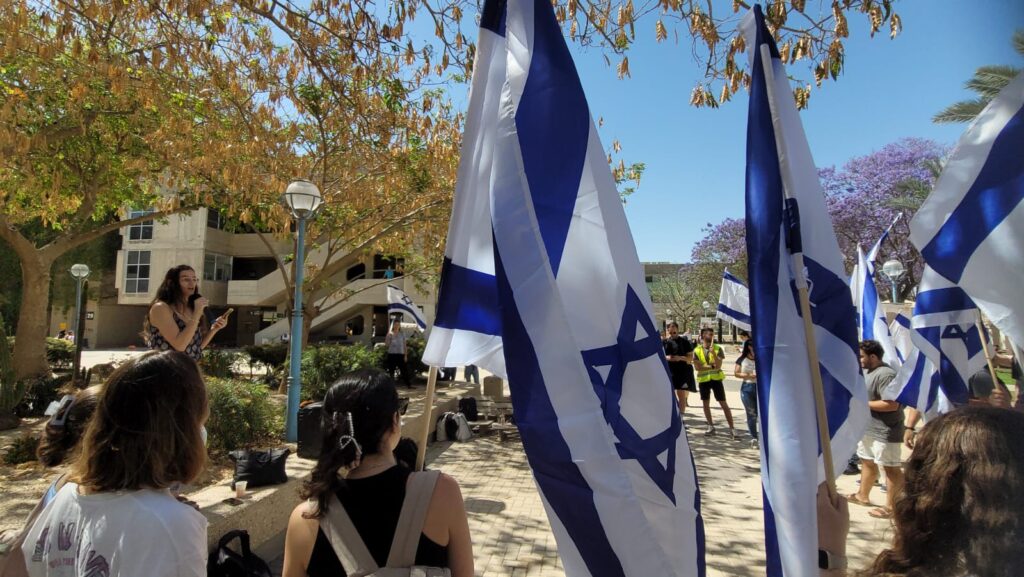
Groups like campus Hillel chapters, which provide alternative programming such as a lunch hosted during Gaines’ visit, offer a model for this kind of response. By creating spaces centered on education, community, and resilience, they shift the focus away from spectacle and toward substance. These efforts matter, particularly at a time when misinformation spreads rapidly, and provocateurs rely on outrage to amplify their reach.
Ultimately, the issue raised by Gaines’ visit is not just about one speaker or one event. It is about how universities define the boundaries of meaningful discourse in an era where attention is currency and controversy is a strategy. If institutions fail to distinguish between genuine debate and deliberate misinformation, they risk allowing the latter to erode the very foundation of academic inquiry.
Free speech should protect the exchange of ideas, not shield the spread of demonstrable falsehoods without challenge. If institutions continue to respond with silence or ambiguity, they risk normalizing extremism and allowing patterns of dehumanization to take deeper root on campus. The cost of inaction is not neutrality; it is the gradual erosion of truth, safety, and academic integrity.